A Whole Bloggy Bowl of Oats
10/9/20254 min read
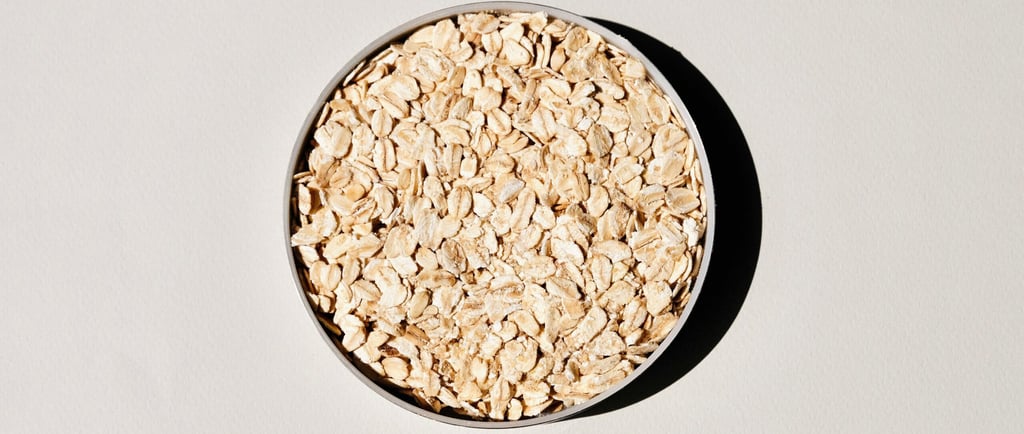
My love for oats goes back a long way. For example, I fondly remember preparing my own breakfast as a kid, using a then new-to-market product – a small sachet of instant oats with sweet dried apple and flavoured with cinnamon. I learned how I liked it slightly over-microwaved, with milk.. one of my first lessons in taking care of myself. Little did I know how my knowledge and love for oats would expand over time. These days, morning oats have about 10 ingredients and are cooked on the stove, and, the (proverbial) naturopathic dispensary is stocked with both kinds of oat extracts, used regularly in clinic.
But, I learned the hard way that not everyone thinks like this about dear ol’ oats. In fact, at least one person in the complementary and alternative medicine (CAM) world, has disturbingly described oats as “unsexy”. It was during a nutraceutical internship. I had wanted to pitch Avena sativa (Oat’s dreamy botanical name) as part of a new product. Absolute crickets, then, a quick and short schooling in why I could never be in marketing. Unsexy, mate, please.. !!?
Anyway, here I am again, going to try to explain my love for these little grains. So, grab your spoon and let’s dive into a big warm bowl of porridge, and please, for the record, we can all imagine OatForce... Okay I hear it, a tad unsexy.
Avena sativa
Let’s first explore the herbal medicines, then move on to the food.
Medicinal Uses of Oats
Oat straw or “green” oat tincture is made from the aerial part of the Avena sativa plant. Used throughout history for insomnia, anxiety, and convalescence1.
More recently, in 2020, a randomised, double-blind, placebo-controlled study in humans shows that oat straw extract improves working memory and cognitive function2. If you’ve cared for someone with declining working memory or cognitive function, or experienced it yourself, you might appreciate how wonderful this research is.
Oat seed, or just simply oats, is a tincture used mostly for hyperlidemia, hypertension, and balancing blood sugar in herbal medicine. Also used for anxiety and sleep1.
Both oat straw and seed tinctures are used for their antidepressant and nervine tonic activity, tool.
As always, for correct doses and help with contraindications, please consult with a qualified herbal medicine practitioner or naturopath (book an appointment here). This information is not intended to replace professional support and, importantly(!), you don’t have to figure things out on your own.
Topical use
The mucilage that develops from soaking oats can be mixed into bath water for a gentle, soothing bath for dry or inflamed skin.
Oats as Food
There are tonnes of benefits to eating oats regularly so please don’t get too caught up in the passing trend saying that oats are bad for you. They really aren’t. In fact, they reduce the risk of type 2 diabetes, cardiovascular disease, gastrointestinal disease and cancer, okay? A lot of research has been done on beta-glucan, a fibre found in oats. Beta-glucan lowers cholesterol and glucose absorption in the intestines.
Rolled oats are also a galactagogue, meaning they increase breast milk production.
If you are needing to keep blood sugar particularly stable, then adding protein, fat and fibre to your porridge, will achieve that. Making your porridge or overnight oats from scratch also goes a long way to avoid added sugars and the like.
Here is my porridge obsession from the just-gone winter:
Cook slowly, stir often:
whole rolled oats
water
diced apple
chia
Take off the heat and mix in:
freshly ground flaxseed
ABC butter
Home-made granola and/or full fat greek yoghurt and/or stewed apples on top. Just perfect.
My go-to granola recipe is adapted from a brilliant Palestinian recipe/blog writer, Swasan, aka Chef In Disguise, found here: https://chefindisguise.com/2020/09/17/tahini-molasses-and-olive-oil-granola/. Please show her some support by visiting her site. Once there it’s easy to get a little hypnotised by her wonderful images, so please enjoy.
Back to oats. As part of my reading for this blog, I found this review article from 2023, summarising the impact of fermenting oats https://pmc.ncbi.nlm.nih.gov/articles/PMC10459665/
TLDR: this review found that fermenting (aka souring) oats before consuming them increases the bioavailability of the many phenolic acids, phenolic acid derivatives, and flavonoids; and increases the digestibility of fibre and nutrients. Woohoo!
If you’re interested but not too keen on a daily porridge, another option is oat-straw tea. Your nerves will thank you.
A place to buy Oat Straw tea: https://www.herbcottage.com.au/products/dried-oat-straw-australian-grown?srsltid=AfmBOorBgsvRe5e2qBfOdhHiVl2DaSudTXA0zDfeZ_s7qqhV4XGdBR5S
So, have I won you over on oats? I’d love to hear how you like to have yours. Also, herbs have a tendency to call to people, so if you’re hearing anything, book in and let’s chat about getting you a remedy to try.
In good health,
Anna
References
1. Thomsen, M., & Gennat, H. (2009). Phytotherapy: Desk Reference (4 ed.). Hobart: Global Natural Medicine.
2. Kennedy, D. O., Bonnländer, B., Lang, S. C., Pischel, I., Forster, J., Khan, J., Jackson, P. A., & Wightman, E. L. (2020). Acute and chronic effects of green oat (Avena sativa) extract on cognitive function and mood during a laboratory stressor in healthy adults: A randomised, double-blind, placebo-controlled study in healthy humans. Nutrients, 12(6), 1598. https://doi.org/10.3390/nu12061598
3. Djorgbenoo, R., Hu, J., Hu, C., & Sang, S. (2023). Fermented oats as a novel functional food. Nutrients, 15(16), 3521. https://doi.org/10.3390/nu15163521
Get in touch

from the weeds acknowledges and pays respect to the past, present and future Traditional Custodians and Elders of this nation and the continuation of cultural, spiritual and educational practices of Aboriginal and Torres Strait Islander peoples.